
Most boat owners think the hard part is choosing the right lift system. In practice, that decision is about a third of the job. The rest is permits, site conditions, structural compatibility, and a sequence of steps that first-time customers rarely see coming until they are already in the middle of them. Getting that sequence right is what separates a lift that works reliably for fifteen years from one that causes problems by the second boating season.
What the First Conversation Actually Covers
When a customer calls about installing a lift system, the first real question is not which model they want. It is what the existing dock structure can support. A four-post lift rated for 20,000 pounds transfers significant load to the pilings and decking it sits on. If those pilings are original to a dock built twenty years ago, or if the decking has soft spots that have not been addressed, the lift installation has to wait until the structure is sound. J&M Marine Construction looks at the whole picture from the start, because skipping that step creates expensive problems later.
Water depth matters just as much. In the Miromar Lakes area and throughout the Naples, FL waterways, bottom conditions vary considerably from one property to the next. Shallow silt, hard limestone substrate, and varying tidal ranges all affect how a lift is configured and whether the cradle beams will clear the bottom at low water. These are not details a manufacturer’s spec sheet resolves. They require an on-site assessment before any equipment is ordered.
The Permit Stage Nobody Budgets For
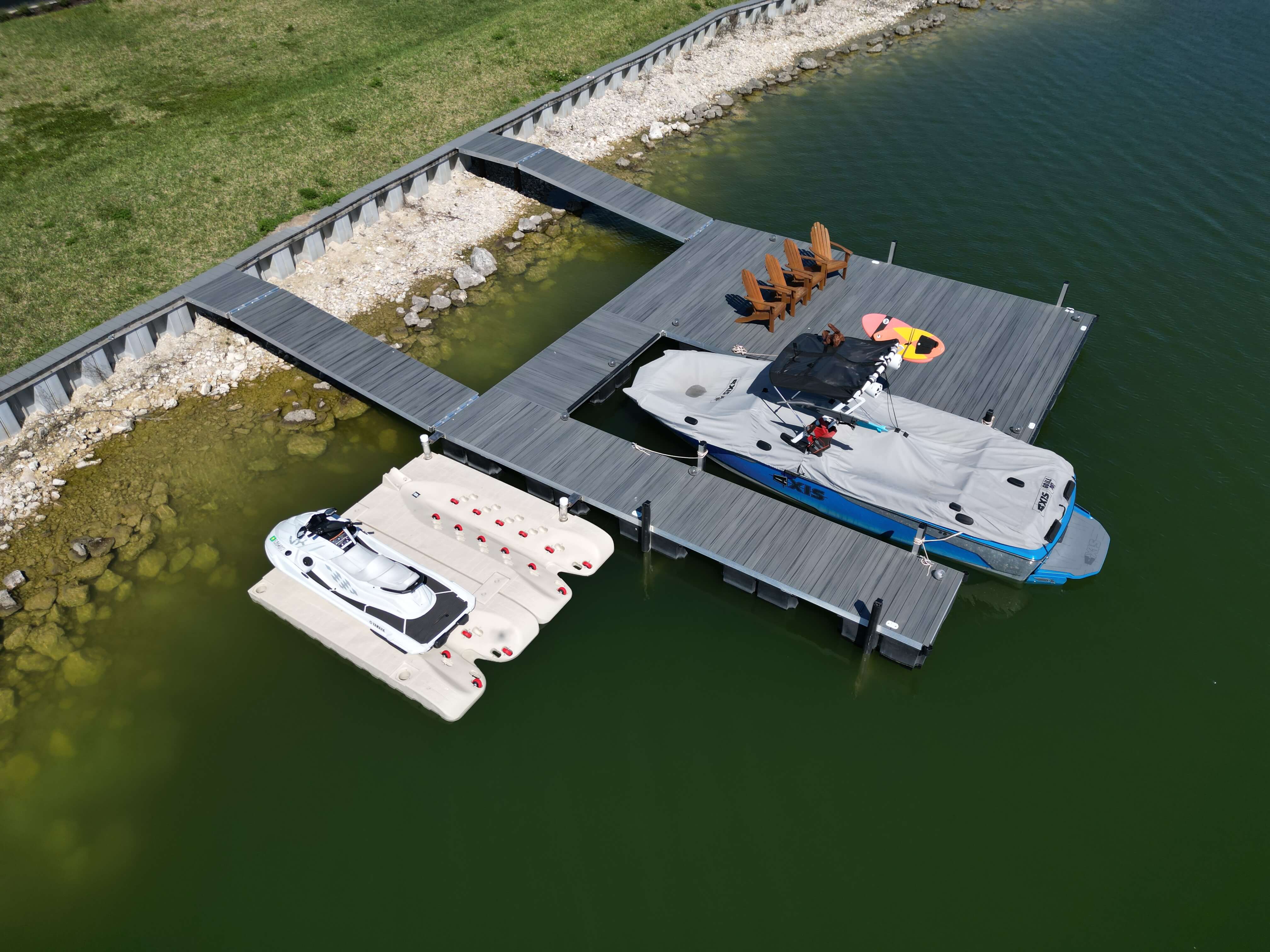
Permitting is where timelines slip and customers get surprised. In Collier County, installing a lift system on a private dock typically requires a building permit, and depending on the waterway classification, it may also require state or federal environmental review. The process is not fast. A straightforward residential permit can take four to eight weeks. A project on a waterway with protected species considerations or one inside a community governed by an HOA can take considerably longer.
Customers who have done their own research sometimes arrive with the idea that a lift is a simple add-on, like replacing a fixture inside the house. It is not. The permit preparation and submission process for marine work involves site plans, structural drawings, and agency coordination that requires experience to do correctly the first time. Errors in the initial submission extend the timeline by weeks. For projects inside managed communities near areas like WildBlue or Vivid Shores, there is often an additional HOA approval layer that runs parallel to the county process and has its own documentation requirements.
J&M Marine Construction handles this coordination directly. That matters because the permit drawings have to reflect actual site conditions, not generic diagrams, and the submitting contractor is responsible for the accuracy of what goes in front of the agency.
Installation Day and What Comes Before It
By the time a crew shows up to set equipment, a significant amount of work has already happened. The structure has been assessed and any necessary repairs completed. Permits are in hand. The lift components have been ordered to the correct specifications for that specific boat, that specific water depth, and that specific dock configuration. Rushing any of those upstream steps to get to the installation day faster is one of the most common mistakes in this industry.
The physical installation of a Boat Lifts system involves setting the uprights, aligning the cradle beams, running the motor and cable assembly, and testing the system under load before the job is considered complete. Electrical connections have to meet marine-grade standards, and the motor housing needs to be positioned so it stays clear of splash and spray over years of use. A new lift installation done correctly also includes a walkthrough with the owner covering how to operate the system, what the warning signs of cable wear look like, and what routine maintenance the system needs to stay reliable.
J&M Marine Construction’s position is that the handoff to the customer is part of the job, not an afterthought. A lift that an owner does not fully understand how to use is a liability, not an asset.
After the Install: What Keeps a System Running
Lift systems in Southwest Florida work in a demanding environment. Salt air, UV exposure, and the biological fouling that builds up on submerged components all accelerate wear. Cables stretch and eventually need replacement. Motors develop issues. Cradle bunks wear down and need to be refitted as the boat’s hull is the thing they protect. Staying ahead of those issues through routine maintenance is far less expensive than waiting for a component failure.
The customers who get the most out of their systems are the ones who treat annual inspection as a standard part of owning a lift, not something to schedule only when something seems wrong. By that point, the repair is almost always bigger than it needed to be.
J&M Marine Construction serves the Miromar Lakes and Naples, FL area and brings direct experience with the permit processes, site conditions, and structural considerations that define marine construction work in this part of Southwest Florida. For questions about a lift project or to schedule an on-site assessment, the office is located at 2496 Kirkwood Ave, Naples, FL 34112, and can be reached at (239) 353-7326.
Frequently Asked Questions
How long does the permitting process take for a lift installation?
A straightforward residential permit can take four to eight weeks in Collier County. If the project involves protected species considerations or is within a community governed by an HOA, the timeline can extend significantly due to additional approval layers and documentation requirements.
What should I check before scheduling a lift installation?
Before scheduling, ensure that the existing dock structure is sound and can support the load of the lift. It’s also important to assess the water depth and bottom conditions, as these factors will influence the lift’s configuration and installation.
What common mistakes should I avoid when planning for a lift?
A common mistake is rushing through the assessment and permitting stages to reach installation day faster. Skipping necessary repairs or not accounting for specific site conditions can lead to expensive problems and delays later on.
What maintenance should I plan for after installation?
Routine maintenance is crucial to keep the system running smoothly, including annual inspections to catch wear on cables, motors, and cradle bunks before they lead to bigger repairs. Customers who prioritize regular maintenance tend to avoid costly issues down the line.
Get Directions to J&M Marine Construction
🎧 Listen to this as a podcast
Also on Apple Podcasts, Spotify, and Amazon Music.