
A damaged dock rarely announces itself at a convenient time. A rotted board gives way underfoot, a piling lists noticeably after a storm, or a customer notices the decking has gone spongy and realizes the problem has been building for months. At that point, most people want the work done immediately, and that instinct is understandable. What they often don’t realize is that getting a dock repaired correctly involves several steps that have to happen in sequence, and skipping or rushing any one of them tends to cost more time than it saves.
What Has to Happen Before Anyone Picks Up a Tool
The first step is always a proper assessment. A board that looks rotten on the surface may be hiding piling damage underneath, and a piling that looks stable from the dock may be compromised at the waterline or below the mud line. J&M Marine Construction typically recommends a dock and seawall inspection before any scope of work is finalized, because repair estimates built on incomplete information almost always change once work begins. That change usually runs in one direction.
Permitting is the other factor that catches customers off guard. Not every repair requires a permit, but any work that involves replacing structural components, modifying the footprint, or touching submerged elements is likely to trigger permit requirements under Florida DEP and county regulations. Permit preparation takes time, and the review process adds more. Customers who call expecting a crew on site within a week sometimes learn the permit alone will take four to six weeks. Getting familiar with permit preparation and submission early in the process is one of the most practical things an owner can do to avoid that surprise.
Why Scheduling Windows Are Tighter Than They Look
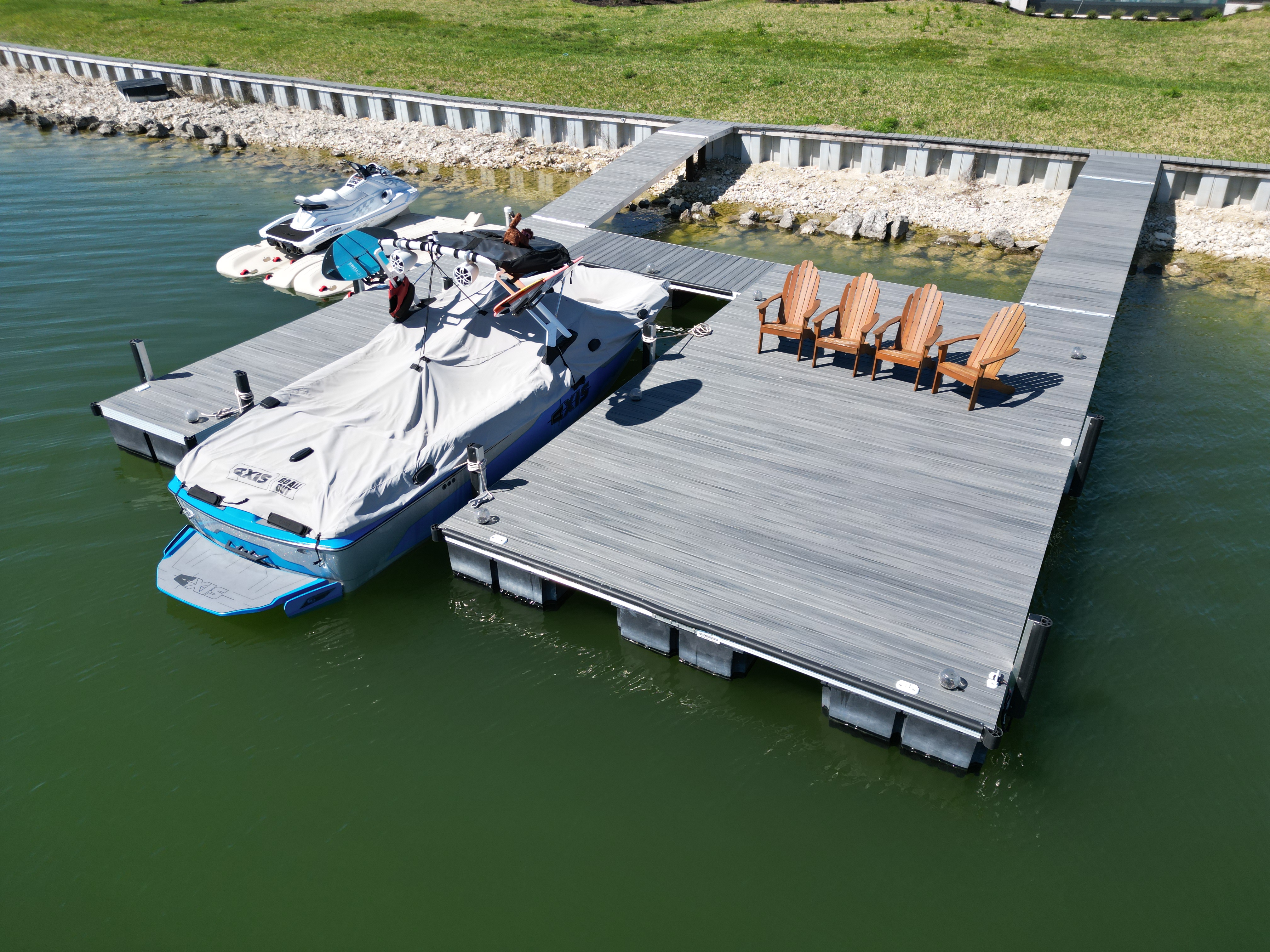
Marine construction work is governed by tides and water conditions in ways that land-based construction is not. Certain repairs require low water to access the understructure, and tidal windows in Southwest Florida are not always predictable far in advance. A crew might have a two-hour window to work on a piling at low tide, and if afternoon wind chop moves in, that window closes. This is not an excuse; it is a physical reality of working in a marine environment, and it affects how many jobs can be realistically scheduled in a week.
Material lead times also affect scheduling more than most customers expect. Pressure-treated lumber, composite decking, and hardware for marine applications are not always available off the shelf in the quantities a job requires. J&M Marine Construction notes that customers who delay confirming their scope of work often find themselves waiting on materials that could have been ordered weeks earlier. Locking in the project details quickly, even if the start date is still a few weeks out, is almost always the right move.
For properties around Lake Babcock Dr and Waterline Blvd in Babcock Ranch, access logistics can add another layer of coordination. Community rules, gate access, and HOA approval processes all have their own timelines. Customers who are part of a managed community should check whether their association requires advance notice or approval before marine construction begins. That process is separate from any county permitting and runs on its own schedule.
The Most Common Reasons Projects Run Long
Scope creep is the most frequent culprit. Work begins on the decking, and once the boards come up, the framing underneath is found to be compromised. The repair that was quoted as a two-day job becomes a five-day job. This is not unusual in dock work, and it is not a sign that something went wrong. It is a sign that the original problem was larger than it appeared from the surface. A thorough inspection upfront reduces this risk, but it rarely eliminates it entirely on older structures.
Weather delays are real but often overstated as an excuse. Legitimate weather holds happen when sustained wind or lightning makes waterborne work genuinely unsafe. A brief afternoon rain does not qualify. Customers should feel comfortable asking a contractor to explain specifically why a delay occurred and how it affects the revised schedule.
Waiting on inspections is another common bottleneck. Some permit types require a county inspection at a specific stage before work can continue. If the inspector’s schedule is backed up, the crew may have to pause even if they are ready to proceed. This is one reason experienced contractors try to schedule inspections as early as possible rather than calling for them the day they are needed.
How to Be a Ready Customer
The customers who get their dock work done fastest are almost always the ones who had their documentation in order before they called. That means knowing the age of the structure, having any prior permits or drawings available, understanding their HOA’s approval requirements, and being ready to make decisions about materials without extended deliberation. Composite decking versus pressure-treated wood, for example, is a choice that affects cost, lead time, and long-term maintenance. Having a preference before the estimate conversation saves a round of back-and-forth that can delay the start of the project by days.
Routine maintenance records also help. A contractor who can see what work has been done in the past five years can make a better judgment about what is likely to need attention now. Customers who have kept up with routine maintenance on their dock typically face smaller, more predictable scopes of work than those who have deferred everything until something fails.
J&M Marine Construction serves the Babcock Ranch and Naples, FL area and brings practical experience to the scheduling and logistics side of dock work, not just the construction itself. For questions about your project timeline or to get an assessment scheduled, reach out directly: 2496 Kirkwood Ave, Naples, FL 34112, (239) 353-7326.
Frequently Asked Questions
How long does it take to get a permit for marine construction work?
Permitting can take four to six weeks, depending on the specifics of the project and local regulations. It’s important to start this process early to avoid delays in getting your project underway.
What should I do to prepare for my marine construction project?
Before starting, gather information about the age of your structure, any prior permits, HOA approval requirements, and routine maintenance records. Being ready to make decisions about materials can also speed up the process significantly.
What factors can delay the start of my marine construction project?
Delays can occur due to waiting on inspections, material availability, and weather conditions. It’s common for projects to take longer than expected if scope creep happens, such as discovering additional underlying issues once work begins.
Why is it important to have a proper assessment before starting work?
A thorough assessment can reveal hidden damages that may not be visible at first glance, preventing unexpected costs and time delays later. J&M Marine Construction recommends this step to ensure all factors are considered before finalizing the scope of work.
Get Directions to J&M Marine Construction
🎧 Listen to this as a podcast
Also on Apple Podcasts, Spotify, and Amazon Music.